
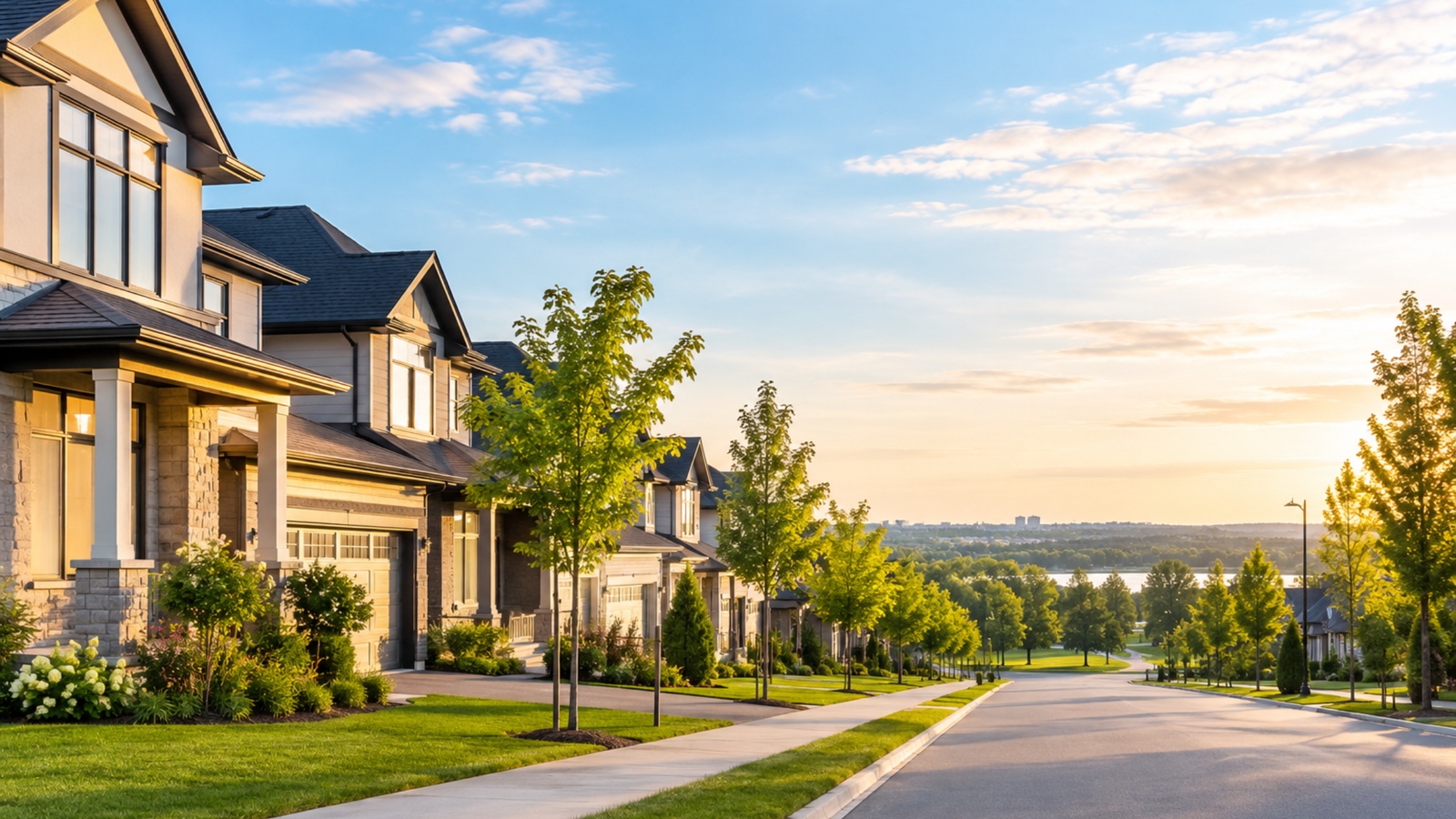
When the Thompson family started looking for a new home, they were not simply comparing floor plans. With two working parents, school-age children and busy schedules, they wanted a neighbourhood that could make everyday life easier. They needed places for the children to play, green spaces for weekend walks, convenient access to schools and amenities, and reliable connections for commuting. Just as importantly, they wanted a community that could continue to suit their family as their needs changed.
The Thompson family’s priorities reflect a broader shift in what homebuyers expect from modern communities. The future of residential living is increasingly about creating neighbourhoods where homes, green spaces, amenities, connectivity and community life work together. Harmony District Oshawa provides a useful case study of this approach, bringing these elements together to create a residential environment designed around how people actually live.
Designing for Versatile, Modern Lifestyles
Traditionally, residential design followed a rigid formula, whereas contemporary families seek flexibility. Today’s home must perform as a workspace, school, gym, and peaceful retreat. Future-ready residential buildings incorporate flexible designs that can accommodate daily activities. This approach applies to all types of residential buildings, including townhouses, semi-detached houses, and detached houses.
What is provoking the changes in modern life? Modern homebuyers need adjustable interior space that evolves with their families. A combination of space, a spacious living room, and flexible areas means the house will never feel outdated.
When building homes, we must also prioritize durability and convenience. The future of residential living focuses on low-maintenance options, giving families more time to enjoy everyday life and rest. Thoughtful plans ensure every square meter has practical meaning.
A home that adapts as a family grows is a great thing. Moving becomes unnecessary as children grow up and jobs change, since functional interior design has become a priority for smart homebuyers.
The Value of Connected Suburban Locations
Suburban living has transformed significantly over the past ten years. Homebuyers are not willing to travel long distances to buy groceries or take children to school. The future of residential living depends on local efficiency, which means being close to essential services and able to reach them by car or on foot.
Why is the southern Ontario region enjoying such popularity among buyers? It combines ideal conditions for commercial development, high-quality educational institutions, and effective transportation links within the Greater Toronto Area. A strong example is Harmony District Oshawa, which blends urban living with a tranquil residential setting.
Important location features that define modern residential areas include:
- Fast Highways and Transit: Quick travel via Highway 407, Highway 401, Durham Region Transit, and local GO Transit connections makes daily commuting simple.
- Nearby Retail & Dining: Close to major shopping plazas, local cafés, and popular family restaurants makes daily errands fast and convenient.
- Top Educational Options: Families gain access to reputable local elementary schools, high schools, Durham College, and Ontario Tech University.
- Healthcare Access: Quick access to regional medical centers, like Lakeridge Health Oshawa, offers long-term safety and total peace of mind.
One of the biggest benefits of living near these major centers is that long commutes in traffic are no longer an issue. With shopping and dining close to home, families can spend less time on the road and more time enjoying life. Well-planned communities make suburban living easier than ever.
Blending Nature with Modern Life
A key trend in contemporary home construction is connecting homes seamlessly to the surrounding natural environment. Research finds that being in nature reduces stress and helps adults and children develop healthy habits. This isn’t just anecdotal; Toronto-based research cited by the Public Health Agency of Canada found that residents on tree-lined streets reported health perception gains comparable to a $10,000 higher household income, or feeling seven years younger. Modern developments use proximity to green areas and integrate natural features into their overall community plan. Modern developments use proximity to green areas and integrate natural features into their overall community plan.
How do these new communities preserve property values in the long run and improve one’s life at the same time? Because these communities mix constructed infrastructure with preserved ravines, walking paths, and leisure spaces, they create steady demand in the housing market.
Homes built near these natural areas allow people to take a break from screens every day. The opportunity to walk around the neighborhood or spend time in a nearby park is a major part of healthy living. Newer developments offer plenty of opportunities for residents to enjoy backyard views and create a positive atmosphere.
Being near nature promotes an active lifestyle. Children can play, pet owners can walk nearby paths, and runners can use the outdoor running paths. The new suburban development has shown that living near nature doesn’t mean giving up city living.
Embracing a Smarter Suburban Future
The housing transformation we are witnessing is defined by a focus on natural resources, connectivity, and family-centric design. An ideal community does not force residents to choose between nature and urban conveniences; it combines both equally. With versatile layouts, easy access to transportation, and breathtaking views, the new districts in Southern Ontario exemplify successful housing development.
As new cities form and society evolves, the importance of a community that meets one’s lifestyle needs becomes clear. District planning considers the long-term goals of future residents, who invest not only in the property. Rather, they buy the possibility of living a balanced life. The primary goal of modern construction is to bring balance, comfort, and a sense of belonging into people’s lives.
If you are ready to explore modern family homes in a thriving neighborhood, visit Harmony District to discover your next step.