
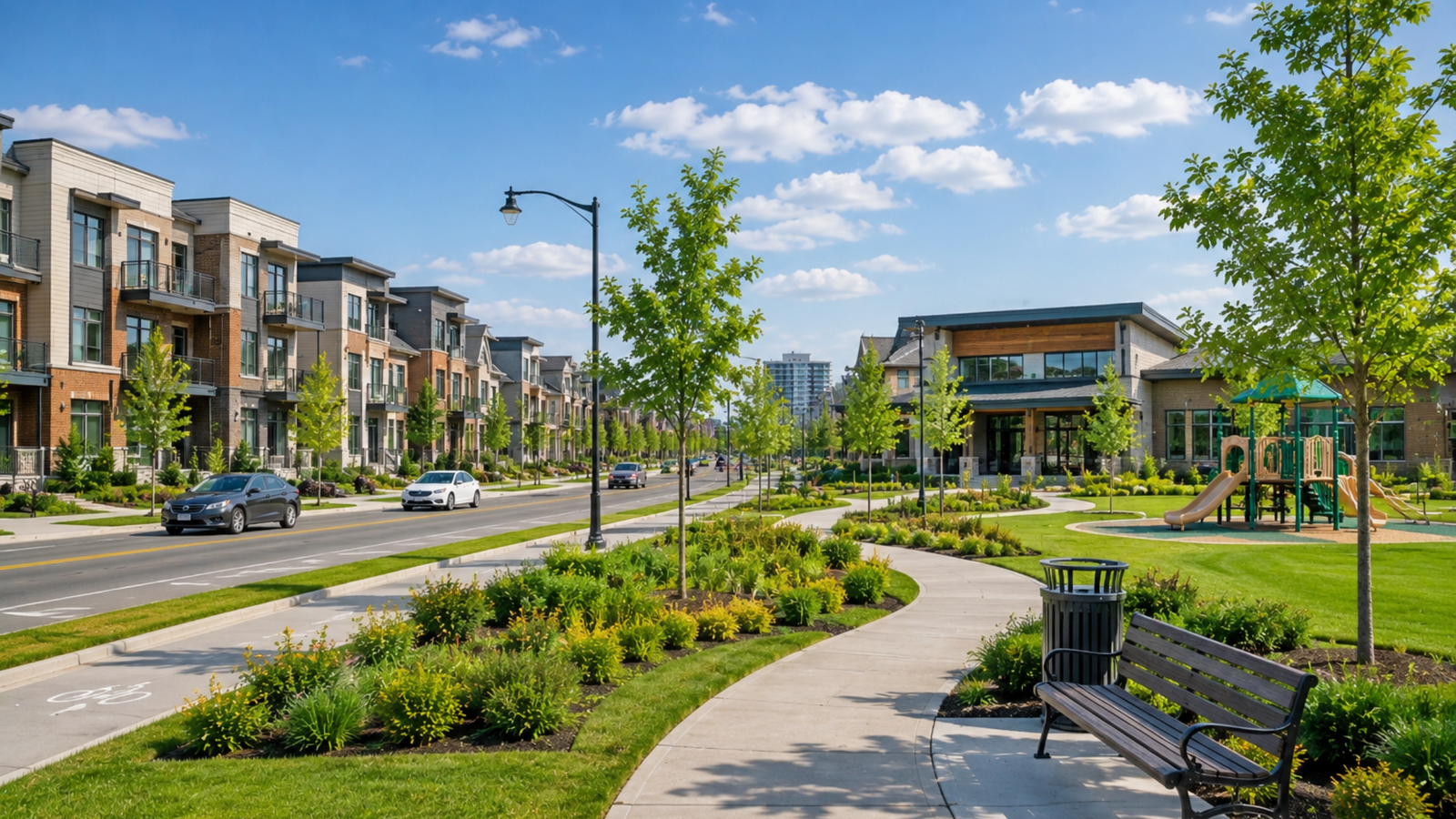
Infrastructure is one of the most important elements behind the success of any residential community. While attractive homes remain a priority for buyers, the surrounding environment often determines how comfortable and convenient everyday life will be. Roads, public services, parks, schools, and transportation networks all contribute to creating neighbourhoods that can support residents for years to come.
With an increase in the number of consumers who look for much more than just an individual property, Community planning benefits have gained considerable importance in the whole process of buying a home. Good infrastructure planning is crucial in ensuring that a community operates effectively by making it accessible and enabling all the necessary services and places for people to interact.
The Role of Infrastructure in Future Residential Communities
Infrastructure influences nearly every aspect of residential living. From transportation to public amenities, each component plays a role in creating communities that remain practical, connected, and adaptable over time.
Well-planned neighbourhoods are also supported by provincial planning policies. The Ontario Provincial Planning Statement (2024) encourages the development of complete communities with access to housing, transportation, public services, parks, and recreational spaces. These planning principles help ensure communities remain connected, sustainable, and well-equipped to support future growth.
Better Transportation Creates Better Connectivity
Transportation that works well facilitates efficient travel of the population for work, study, shopping and leisure activities. Connected communities help people minimize their problems of getting to work and make access to other towns easier.
Examples of transportation features that strengthen communities include:
- Good road systems that facilitate local trips.
- Easy access to highways.
- Transport that helps people move around the community.
- Safe walking paths and biking trails.
With proper planning of transportation in the community, people have the advantage of being able to move around conveniently without losing touch with other places around them.
Access to Essential Services Supports Everyday Living
An organized community makes day-to-day living easier due to the presence of vital amenities in the immediate vicinity. Instead of wasting valuable time commuting to places for necessities, people would have access to all important amenities within their vicinity.
Some examples of vital amenities that will make the community well-connected include:
- Public and Catholic schools catering to different age groups of people
- Post-secondary institutions like Durham College
- Health care institutions, clinics, and pharmacies
- Grocery stores and shopping centers
- Restaurants and cafes
- Community centers that facilitate social activities.
When these services are integrated into community planning, residents enjoy greater convenience while communities become more functional and resilient over time.
Parks and Public Spaces Improve Community Well-Being
encourage outdoor recreation, provide opportunities for social interaction, and give families safe places to spend time together. They also contribute to the overall character of a community by making neighbourhoods feel more welcoming and connected.
As communities continue to grow, preserving these public spaces helps maintain a healthy balance between urban development and environmental sustainability.
Modern Infrastructure Supports Sustainable Growth
As cities expand, infrastructure must be designed to accommodate future demand rather than only current needs. Communities that incorporate long-term planning are better equipped to support population growth while maintaining a high quality of life.
This forward-thinking approach includes improving transportation networks, expanding public services, and ensuring that utilities and community facilities can adapt as neighbourhoods evolve. These community planning benefits allow residential areas to remain functional and attractive as more people choose to live there.
Developments such as Heights of Harmony Oshawa reflect how modern residential communities are increasingly being planned alongside the infrastructure needed to support long-term growth, helping create neighbourhoods that can serve residents well into the future.
Community Planning Creates Long-Term Residential Value
Planning for proper infrastructure brings positive results to citizens even long after the infrastructure has been built. The design of the community where convenience, accessibility, and recreation areas play an important role can bring joy to life because it meets people’s everyday requirements.
These are some of the advantages of proper infrastructure planning that can be seen in the long term:
- Enhanced accessibility to destinations
- Enhanced connectivity with the surrounding region
- Accessibility to recreational areas
- Adaptability to growing families
- Continuing support of people in accordance with their changing needs
This list proves that infrastructure planning is one of the key elements of residential development.
Why Infrastructure Matters When Choosing a New Community
The purchase of the home depends on many other things apart from the analysis of the design and features. You need to assess whether the community’s infrastructure can support the way of life both at present and in the future.
The following questions may come up during the evaluation of the area:
- Are there any educational institutions, health care facilities and shopping centers nearby?
- Is there any transportation in the community?
- Are there any parks or recreation areas?
- Is there any planning for the development of the neighborhood?
All of these factors together give the potential owner the picture of how the community will operate after he settles down in it.
Planning for Stronger Communities Tomorrow
Infrastructural development is continuously influencing the future of residential communities through building connected, convenient and well-planned neighbourhoods. Unlike previous planning models that have been focused on housing only, modern community planning is built on the interconnection of transportation, public facilities, leisure and other amenities required for comfortable living.
With further development, Oshawa will continue to rely on community planning benefits that include accessible neighbourhoods with good infrastructural development and a balanced living environment. Harmony District located in North Oshawa, is one such example of a well-planned community that homebuyers can explore.